Wellness Care For Every Life Stage
Wellness care is important at every age. That is why our clinical team recommends all pets visit us once or twice a year for comprehensive wellness checks. Whether you have a new puppy or a senior cat, our doctors have the clinical know-how and available resources to support your pet at every age.

Wellness Exams
Pets are family. But, they age at a very different rate than humans. When you consider every year for your dog or cat is equivalent to about seven human years, regular wellness exams make a lot of sense. Our clinical team recommends wellness exams once or twice a year. More frequent visits may be recommended if your pet is a new puppy, new kitten, or senior pet.
Routine wellness visits allow us to assess your pet’s general health and track health trends. These periodic check-ups also give us an opportunity to identify problems early and correct or control developing health issues.
To help you prepare for your pet’s wellness visit, here’s what you can expect:
- A nose-to-tail physical exam: We will thoroughly check your pet’s eyes, ears, nose, teeth and gums, skin, coat, and abdomen; carefully listen to the heart and lungs; and check weight and overall body condition.
- Vaccinations: Required and lifestyle-dependent vaccinations are based on your pet’s species, age, and lifestyle.
- Bloodwork: We recommend bloodwork be performed annually for dogs and cats, especially pets older than seven years. These tests provide a normal baseline of health in your pet and help us to detect changes in organ function early on when they are most treatable by medication or adjustments to diet and lifestyle.
- Heartworm testing: Heartworm disease is caused by a serious mosquito-borne parasite that causes irreversible organ damage. Testing is recommended annually, and with a negative test, monthly preventative medications can effectively prevent infection.
- Tick-borne disease screening: Along with heartworm testing, we check dogs for exposure to several diseases common in our area, including Lyme disease (Borellia), ehrlichiosis, and anaplasmosis. Timely treatment can be addressed by medication or adjustments to diet and lifestyle.
- Fecal examination: This test is performed annually to detect intestinal parasites.
Parasite control: We prescribe regular parasite control medications to prevent both intestinal parasites and heartworms from contributing to animal and human health problems.
Sick Visits
Preventative care helps to keep pets healthy, but they can still get sick now and again. Fortunately, modern veterinary medicine allows pets to recover sooner. If your pet is showing even the slightest signs of illness, schedule a visit so we can help them get better.
First, our doctors will perform a comprehensive physical exam checking for any outward signs of concern. Additional diagnostic testing may be necessary for an accurate diagnosis to be made. Once we understand what’s ailing your pet, we can begin an effective treatment plan.
Vaccinations
One of the reasons pets are living so much longer today is due to the efficacy of vaccinations that protect against a wide range of common diseases. Some vaccines are required, while others are lifestyle-dependent. We’ll review your pet’s health and lifestyle with you, and work together to cater a specific vaccination plan to meet your pet’s needs. Timely reminders will also be provided, so your pet is protected with no lapses.
Core Vaccines
- Canine: Distemper (DA2P), Parvovirus (CPV), Rabies*
- Feline: FVRCP, Rabies*
Risk-Dependent Vaccines
- Canine: Lyme, Leptospirosis, Bordetella, Canine Influenza
- Feline: FeLV
*Rabies is required by New York State law.
Parasite Testing & Control
Parasite prevention is an important facet of responsible pet ownership. With year-round preventatives and annual parasite testing, we can keep pets safe from fleas and ticks, heartworms, and intestinal parasites, and the life-threatening conditions they transmit.
Keep in mind, some intestinal parasites are transmissible from pets to people. That means proper parasite control for your pet keeps your entire family protected, too.
- External parasites that irritate the skin
- Cause skin allergies like dermatitis
- Fleas can transmit tapeworms and Bartonella
- In serious cases, fleas can cause anemia and death
- Ticks cause skin allergies like dermatitis
- Ticks carry Lyme disease, tapeworms, ehrlichiosis, and Rocky Mountain spotted fever
- Prevalent in wooded areas and warmer climates
Microchipping
If your pet is ever lost, microchips increase the likelihood of a happy reunion. That’s why we recommend all pets be microchipped—even indoor pets! Accidents happen. It’s best to be prepared.
Microchipping your pet is virtually painless and similar to a routine vaccination. A microchip the size of a grain of rice will be inserted beneath the skin and between the shoulder blades, and will provide a lifetime of unique identification that can never fall off or be removed. Be sure to update your pet’s microchip identification if you ever move or change your phone number.
Nutrition Counseling & Weight Management
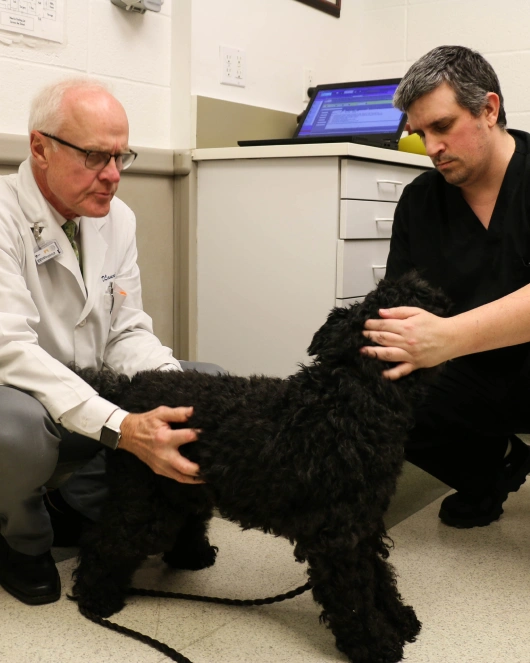
As a pet owner, you have complete control over what your pet eats. A nutritious diet and regular physical activity will help keep your pet fit, healthy, and happy. We know young pets need proper nutrition to grow up strong and healthy, and older pets often benefit from diets that are targeted to individual health concerns. Nutritional counseling benefits many health conditions such as food allergies, diabetes, obesity, inflammatory bowel disease, cancer, and thyroid disorders.
Our nutritional services include:
- Everyday health and wellness diet advice
- Nutritional advice for pets with allergies, information about food trials, and diet choices
- Guidelines on quantities, food types, and schedules to prevent obesity
- Proper nutrition for good husbandry for small mammals
- Custom-tailored nutritional plans for pets with chronic illness
Pet obesity is a growing concern, but it’s never too early or too late to feed your pet properly. Overweight pets have shortened life expectancies and experience a diminished quality of life. Today, around 35% of dogs and cats are overweight, which poses serious health consequences. Other risks of pet obesity include diabetes, arthritis, joint pain, mobility issues, heart disease, high blood pressure, skin issues.
Tips for Getting Your Pet Trim
- Choose a clinically proven pet food to achieve a healthy weight. We’ll recommend the best food for your pet to achieve an ideal weight based on size, breed, and sex.
- Track weight loss success in your pet. Track weight loss by weighing your pet regularly, taking pictures and videos to record progress, and visiting the vet to make dietary adjustments.
- Follow the recommended daily feeding guide. Use a measuring cup to portion food and avoid free feeding.
- Provide a healthy activity level. Make sure your pet gets a healthy amount of physical activity with a regular schedule of outdoor activities. For cats, commit to 15 minutes of playtime a day. Indoor cats need planned exercise and the best form is object play, which engages their hunter instinct.
- Try food puzzles. This dietary tool slows down eating and provides a stimulating environment.
Behavior Counseling
We understand that correcting undesirable behaviors in a pet can be frustrating, and we never want the frustration of naughty behaviors to come between the special bond you share with your pet.
We’re here to help. The first step is to ensure there is not an underlying health issue. It’s important to remember that our pets can’t tell us what hurts, so acting out is often a way to communicate that something isn’t right. Consider these examples:
- A cat that is urinating outside of the litterbox may have bladder stones or urinary tract infection
- A dog that is destructive when you’re away from home may have separation anxiety
If a health issue is ruled out after performing a physical exam and diagnostics, we will work with you to alter your pet’s behavior using behavior modification techniques such as positive reinforcement, rewards, and training.