Senior Pet Care For Longer Healthier Lives
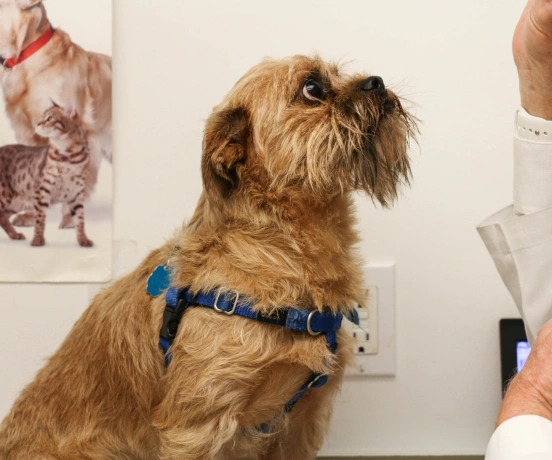
Pets reach their golden years much sooner than humans do. Did you know your pet is considered a senior by the age of 8 years old? The good news is, with more frequent veterinary visits, special attention, and TLC, pets are living longer and healthier lives.
Senior Wellness
Semi-annual wellness exams are recommended for senior pets because of the quickly changing health issues they can develop. This allows our professional team to watch your senior pet closely for signs of disease, since age-related disorders are not as easy to detect.
In addition to twice yearly exams, our medical team may recommend more frequent bloodwork, x-rays, and urinalysis to assess the function of major bodily organs and systems.
Many diseases can be treated, managed, and even cured if identified early on. Common age-related conditions we check for include: arthritis, dental disease, diabetes, thyroid issues, progressive organ dysfunction, and cancer. Although not all issues are life threatening, for instance, cataracts and hearing loss, they will still affect the quality of your pet’s life.
Since changes in your pet’s health can be subtle, and pets can be stoic, it is important to screen for any changes just below the radar. For example, is your pet refusing stinky pet food? You know the one that smells up the house, but your pet usually loves. Or you may notice them avoiding social situations or having difficulty at night. Note those changes and please, give us call or mention it at your next bi-annual exam.
Home Care
Keeping your senior pet comfortable at home goes a long way. As your pet’s health and mobility begins to decline, we encourage you to adapt your home and routine to accommodate your pet’s new limitations. It’s not uncommon for older animals to also experience cognitive changes similar to humans. Do your best to be patient, accepting, and compassionate with your senior pet.
Here are some suggestions to keep your senior pet comfortable at home:
- Maintain proper nutrition to prevent weight gain and preserve muscle
- Continue to play with your pet, but opt for gentler, shorter play sessions
- Provide nonslip surfaces such as mats or carpeting for your older pets, especially large dogs.
- Consider providing steps to sleeping surfaces
- Keep pathways clear of obstructions throughout your home
- Switch to a low sided litter box for cats
- Groom your cat more frequently, especially in hard-to-reach spots.